
Rainy days often limit outdoor play, leaving children with excess energy and parents seeking ways to keep them entertained. This is where indoor toys for kids become invaluable. Not only do these toys provide fun, but they also stimulate learning, creativity, and social development, transforming gloomy days into productive and enjoyable experiences.
Indoor toys for kids serve a dual purpose: they entertain while fostering cognitive, emotional, and physical growth. Unlike passive activities like screen time, these toys actively engage children in imaginative play, problem-solving, and hands-on learning. Selecting the right indoor toys ensures that children remain stimulated, curious, and happy even when the weather keeps them indoors.
In this guide, we explore 11 creative indoor toys for kids specifically designed to make rainy days exciting. From building blocks to art kits, puzzles, and science experiments, each toy has been chosen for its ability to inspire creativity, learning, and active engagement.
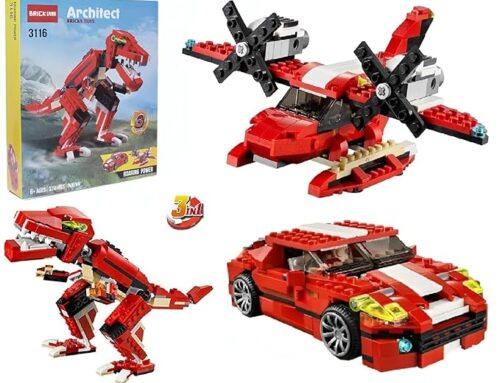
1. Building Blocks and Construction Sets
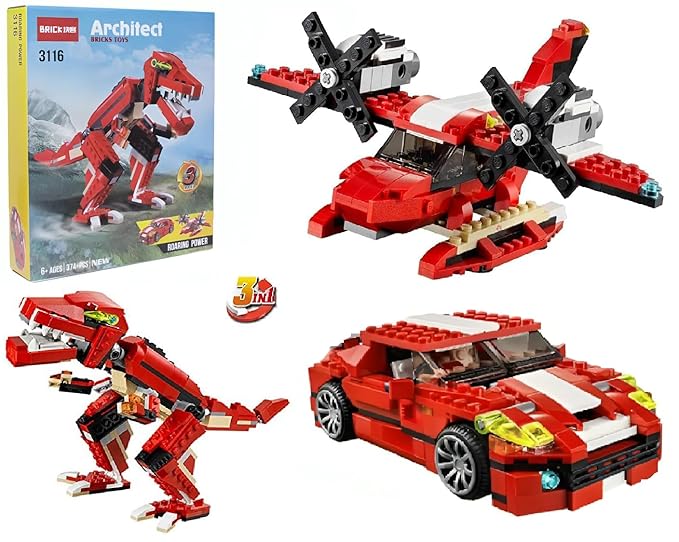
Building blocks are classic indoor toys for kids that combine fun with skill development. Available in plastic, wood, or magnetic forms, these sets encourage children to construct towers, castles, or imaginative structures.
Benefits:
-
Enhances creativity and spatial reasoning.
-
Improves hand-eye coordination and fine motor skills.
-
Introduces basic STEM concepts like balance, weight, and engineering.
-
Encourages collaboration and teamwork when played with siblings or friends.
Activity Ideas:
-
Challenge children to build the tallest tower without it toppling.
-
Introduce themed play, such as a “space station” or “fantasy castle.”
-
Use colored blocks to teach counting, patterns, and color recognition.
2. Art and Craft Kits
Art and craft kits are versatile indoor toys for kids that encourage self-expression and creativity. They include paints, modeling clay, DIY craft supplies, and drawing materials.
Benefits:
-
Stimulates imagination and creativity.
-
Develops focus, patience, and attention to detail.
-
Strengthens problem-solving skills and critical thinking.
Activity Ideas:
-
Make rain-themed crafts like paper boats, umbrellas, or clouds.
-
Create greeting cards or home decorations.
-
Use clay or modeling materials to sculpt imaginative indoor scenes.
3. Puzzle Games and Brain Teasers
Puzzle games are excellent indoor toys for kids because they challenge the mind while keeping them engaged. These include jigsaw puzzles, logic games, and 3D puzzles.
Benefits:
-
Improves problem-solving and strategic thinking.
-
Enhances memory and concentration.
-
Develops visual-spatial reasoning.
-
Encourages persistence and patience.
Activity Ideas:
-
Complete large jigsaw puzzles over a day or two.
-
Introduce friendly competitions among siblings or friends.
-
Incorporate educational puzzles to reinforce academic concepts.
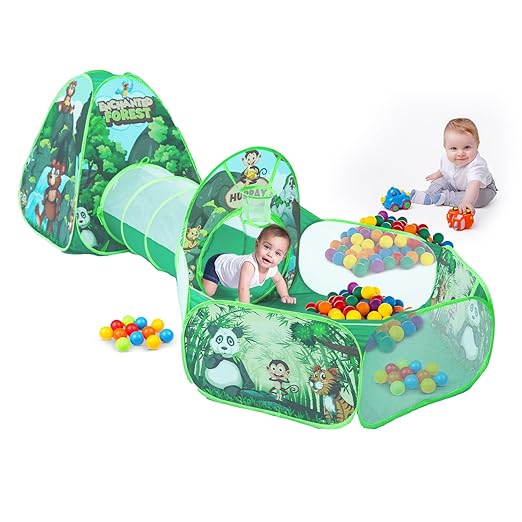
4. Indoor Play Tents and Fort Kits
Indoor play tents and forts allow children to create their own imaginative spaces. These indoor toys for kids transform ordinary rooms into castles, secret hideouts, or space stations.
Benefits:
-
Promotes imaginative role-playing.
-
Provides a personal space for independence and confidence.
-
Encourages teamwork and social interaction.
-
Supports sensory development through fabric textures, lights, and decorations.
Activity Ideas:
-
Host storytelling sessions inside the tent.
-
Use the fort for reading or quiet play.
-
Combine tent play with toy figurines or blocks to create immersive worlds.
5. Educational Board Games
Board games are interactive indoor toys for kids that combine fun and learning. Many educational games teach math, language, logic, and strategy.
Benefits:
-
Develops critical thinking and strategic skills.
-
Reinforces academic concepts through play.
-
Improves social skills, including communication and teamwork.
-
Teaches patience and emotional regulation.
Activity Ideas:
-
Organize a rainy day board game tournament.
-
Use games to teach practical skills like budgeting or geography.
-
Encourage storytelling with game pieces and scenarios.
6. DIY Science Kits
DIY science kits are hands-on indoor toys for kids that spark curiosity and a love for learning. These kits allow children to conduct safe experiments in physics, chemistry, and biology.
Benefits:
-
Promotes inquiry-based learning.
-
Enhances critical thinking and analytical skills.
-
Improves fine motor skills through precise manipulation of materials.
-
Encourages curiosity and exploration.
Activity Ideas:
-
Create simple experiments like volcano eruptions or crystal growth.
-
Let children design their own science experiments.
-
Encourage journaling to document observations and results.
7. Sensory Play Kits
Sensory play kits are ideal indoor toys for kids to explore textures, colors, and shapes. They include kinetic sand, water beads, slime, and textured play materials.
Benefits:
-
Stimulates tactile and visual senses.
-
Promotes creativity and imaginative play.
-
Helps in emotional regulation and focus.
-
Supports fine motor skill development.
Activity Ideas:
-
Set up a sensory station for hands-on exploration.
-
Combine sensory kits with storytelling for interactive play.
-
Use themed kits, such as ocean or farm, to teach concepts while playing.
8. Musical Instruments for Kids
Mini keyboards, drums, xylophones, and other instruments are engaging indoor toys for kids that introduce rhythm, melody, and coordination.
Benefits:
-
Enhances auditory and motor skills.
-
Encourages creativity and self-expression.
-
Supports memory and pattern recognition.
-
Reduces stress and promotes emotional development.
Activity Ideas:
-
Organize mini indoor concerts or talent shows.
-
Encourage children to create original songs.
-
Combine music with movement for active play.
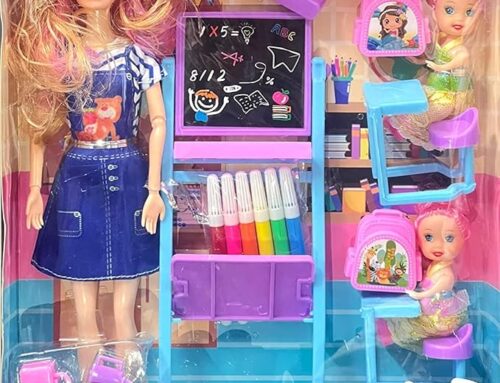
9. Role-Playing and Dress-Up Kits
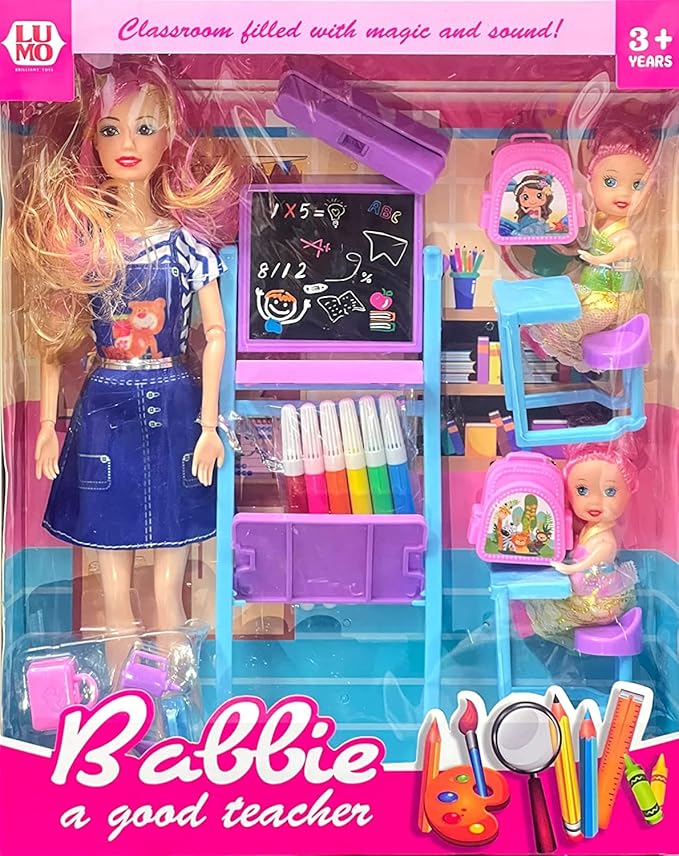
Role-playing sets, including doctor kits, superhero costumes, and kitchen sets, are popular indoor toys for kids. They promote imagination and social skills.
Benefits:
-
Encourages creativity and imaginative thinking.
-
Develops social and emotional intelligence.
-
Enhances communication and collaborative play.
-
Builds confidence through pretend scenarios.
Activity Ideas:
-
Set up a pretend store, hospital, or superhero mission.
-
Encourage children to create dialogues and storylines.
-
Combine dress-up play with other toys for immersive scenarios.
10. Interactive Electronic Learning Toys
Interactive electronic toys combine technology and learning, making them ideal indoor toys for kids. They include tablets with educational apps, talking robots, and learning consoles.
Benefits:
-
Enhances cognitive skills and early learning.
-
Provides interactive and engaging learning experiences.
-
Encourages problem-solving and logical thinking.
-
Can be customized for different learning levels.
Activity Ideas:
-
Introduce timed learning challenges or quizzes.
-
Combine electronic toys with hands-on activities for a balanced approach.
-
Use interactive toys to reinforce classroom learning concepts.
11. Indoor Sports and Active Play Sets
Even indoors, children need physical activity. Indoor sports sets like mini basketball hoops, bowling sets, or soft ball games are excellent indoor toys for kids.
Benefits:
-
Promotes physical fitness and coordination.
-
Develops gross motor skills.
-
Encourages teamwork and friendly competition.
-
Reduces sedentary behavior during rainy days.
Activity Ideas:
-
Organize indoor sports competitions with siblings or friends.
-
Set up mini obstacle courses for added fun.
-
Combine sports with educational challenges, like counting points or learning rules.
Why Indoor Toys for Kids Are Important
Children spend a significant portion of their day learning through play. When outdoor play is limited, indoor toys for kids fill the gap by:
-
Stimulating Creativity: Toys that encourage building, painting, or role-playing spark the imagination, allowing children to invent stories, scenarios, and worlds.
-
Enhancing Cognitive Skills: Puzzles, brain teasers, and science kits challenge children’s reasoning, memory, and problem-solving abilities.
-
Supporting Physical Development: Even indoor active toys like mini basketball hoops or obstacle courses help develop coordination, balance, and motor skills.
-
Encouraging Social and Emotional Growth: Board games, role-play kits, and collaborative building sets teach children teamwork, empathy, patience, and resilience.
By investing in high-quality indoor toys for kids, parents ensure that rainy days remain productive and fun. Children remain engaged in meaningful play that contributes to their holistic development.
Additional Toy Ideas and Activities for Rainy Days
Beyond the 11 main toys previously mentioned, there are several creative ways to expand indoor play for kids:
1. Sensory Play Stations
Setting up sensory bins with rice, beans, water beads, or kinetic sand allows children to explore textures and practice fine motor skills. Pairing these with scoops, molds, and small figurines transforms ordinary play into a stimulating, hands-on learning experience.
2. DIY Craft Challenges
Parents can create weekly DIY craft challenges using household items like cardboard, old magazines, and fabrics. Children can compete or collaborate to build models, design decorations, or create themed artwork—promoting imagination and resourcefulness.
3. Interactive Storytelling
Using puppets, dolls, or action figures, children can craft and perform their own stories. This activity enhances language skills, narrative thinking, and creativity. Parents can participate by prompting story starters or providing props for more immersive storytelling.
4. Mini STEM Experiments
Simple experiments like vinegar and baking soda volcanoes, floating paper boats, or color-mixing activities can transform a rainy day into a miniature science lab. These activities teach scientific principles in a fun, memorable way, helping children develop curiosity and critical thinking.
5. Indoor Obstacle Courses
Even in small spaces, creating obstacle courses using cushions, chairs, and soft toys keeps children physically active. This type of play improves agility, balance, and coordination while burning off excess energy.
Tips for Choosing the Best Indoor Toys for Kids
When selecting indoor toys for kids, consider these factors to maximize safety, engagement, and educational value:
-
Age Appropriateness: Ensure the toy matches your child’s developmental stage and abilities.
-
Safety: Opt for non-toxic, durable materials free of small choking hazards for younger children.
-
Educational Value: Look for toys that encourage creativity, problem-solving, or learning in an enjoyable way.
-
Versatility: Multi-use toys like building blocks or craft kits allow children to explore various types of play.
-
Ease of Cleanup: Indoor play can be messy, so choose toys that are easy to store and maintain.
Making Indoor Play Fun for the Whole Family
Indoor toys for kids are not just for individual play—they can foster family bonding. Parents and siblings can join in on board games, storytelling, science experiments, or craft activities. Setting aside dedicated “rainy day play hours” ensures that children feel supported and engaged while creating shared memories.
By integrating these toys and activities into daily routines, rainy days no longer mean boredom or restlessness. Instead, they become opportunities for children to grow, explore, and learn through playful experiences.
1. Building Blocks and Construction Sets
Overview:
Building blocks remain one of the most versatile indoor toys for kids. They come in various materials—wood, plastic, foam, and even magnetic sets. Children can construct anything from towers to entire cities, which fuels both creativity and cognitive development.
Developmental Benefits:
-
Spatial Awareness: Aligning blocks correctly requires understanding of space and dimension.
-
Fine Motor Skills: Picking, stacking, and balancing blocks strengthens hand-eye coordination.
-
STEM Skills: Problem-solving during construction introduces children to basic engineering and physics concepts.
Creative Activities:
-
Theme Challenges: Assign themes such as “space station” or “zoo” and let children build corresponding structures.
-
Collaborative Play: Encourage siblings or friends to work together to build a city or fort.
-
Pattern and Color Learning: Use colored blocks to create patterns or teach counting in a playful manner.
Parent Tips:
-
Rotate blocks periodically to keep play interesting.
-
Introduce challenges like time-limited building or “tallest tower” contests.
2. Art and Craft Kits
Overview:
Art and craft kits are ideal indoor toys for kids that combine entertainment with self-expression. They can include paints, markers, clay, beads, and DIY crafting tools.
Developmental Benefits:
-
Creativity: Children explore ideas visually and tangibly.
-
Concentration and Patience: Completing a craft project requires focus.
-
Problem-Solving: Figuring out how to construct a model or color combination enhances analytical thinking.
Creative Activities:
-
Rainy Day Art: Create paper boats, umbrella designs, or cloud-themed crafts to reflect the weather.
-
Gift Making: Children can craft greeting cards or decorations for family and friends.
-
DIY Projects: Repurpose household materials for creative inventions or mini models.
Parent Tips:
-
Encourage children to narrate the story behind their artwork.
-
Set up an art display area to showcase completed projects.
3. Puzzle Games and Brain Teasers
Overview:
Puzzles and brain teasers are excellent indoor toys for kids that challenge the mind. These range from jigsaw puzzles and logic games to 3D puzzles and math-based challenges.
Developmental Benefits:
-
Critical Thinking: Children learn to strategize, plan, and reason logically.
-
Memory Enhancement: Remembering piece placement improves short-term memory.
-
Patience and Persistence: Overcoming challenging puzzles teaches resilience.
Creative Activities:
-
Collaborative Puzzle Sessions: Families can work together on large puzzles, fostering teamwork.
-
Timed Challenges: Introduce friendly competitions to see who completes the puzzle fastest.
-
Educational Integration: Choose puzzles that teach letters, numbers, or maps.
Parent Tips:
-
Select puzzles appropriate for your child’s age.
-
Encourage children to explain their reasoning while solving puzzles.
4. Indoor Play Tents and Fort Kits
Overview:
Indoor tents and forts are engaging indoor toys for kids that create imaginative play spaces. Children can design forts as castles, spaceships, or secret hideouts.
Developmental Benefits:
-
Imaginative Play: Encourages creativity and role-playing.
-
Independence: Provides personal space, boosting confidence.
-
Social Skills: Children practice negotiation and cooperation during shared play.
Creative Activities:
-
Storytelling Inside Forts: Host reading sessions or storytelling adventures.
-
Interactive Worlds: Combine tents with figurines or toy blocks for immersive play.
-
Themed Decor: Decorate the fort according to holidays or seasons for added engagement.
Parent Tips:
-
Ensure the fort is stable and safe for indoor use.
-
Rotate props and toys to maintain novelty.
5. Educational Board Games
Overview:
Educational board games are interactive indoor toys for kids that enhance learning while providing entertainment. Games can target math, logic, language, or social skills.
Developmental Benefits:
-
Strategic Thinking: Children learn to plan and anticipate moves.
-
Social Development: Playing with others teaches cooperation and communication.
-
Emotional Skills: Following rules and managing winning or losing develops patience.
Creative Activities:
-
Rainy Day Tournaments: Organize multi-round game competitions.
-
Role Integration: Turn board games into role-play scenarios.
-
Learning Enhancement: Use game strategies to teach practical skills like money management or geography.
Parent Tips:
-
Rotate games to maintain interest.
-
Encourage family participation to enhance bonding.
6. DIY Science Kits
Overview:
DIY science kits are engaging indoor toys for kids that turn rainy days into exciting experiments. These kits include materials for safe chemistry, physics, and biology experiments, fostering hands-on learning and curiosity.
Developmental Benefits:
-
Inquiry-Based Learning: Children learn to ask questions, form hypotheses, and test ideas.
-
Critical Thinking: Experiments require observation, analysis, and problem-solving.
-
Fine Motor Skills: Measuring, pouring, and manipulating materials enhance dexterity.
-
STEM Engagement: Sparks interest in science, technology, engineering, and math concepts.
Creative Activities:
-
Build a volcano model with baking soda and vinegar.
-
Grow crystals or explore water density experiments.
-
Encourage children to design their own experiments and document results.
Parent Tips:
-
Use only non-toxic, child-safe materials.
-
Supervise experiments for younger children.
-
Display completed projects in a mini “science corner” to celebrate achievement.
7. Sensory Play Kits
Overview:
Sensory play kits are excellent indoor toys for kids that engage tactile and visual senses. They often include kinetic sand, slime, water beads, or textured materials, allowing children to explore through touch and manipulation.
Developmental Benefits:
-
Sensory Development: Stimulates tactile, visual, and sometimes auditory senses.
-
Creativity: Children use materials to shape, mold, and invent stories.
-
Emotional Regulation: Sensory play can calm anxiety and increase focus.
-
Fine Motor Skills: Manipulating materials strengthens hand and finger muscles.
Creative Activities:
-
Create a mini construction site using kinetic sand and toy vehicles.
-
Use colored water beads for rainbow sorting or counting activities.
-
Integrate storytelling by having children craft characters or scenes in sensory materials.
Parent Tips:
-
Set up a tray or container to contain materials and minimize mess.
-
Rotate materials regularly to keep sensory play engaging.
-
Combine with other toys like figurines or blocks for more complex scenarios.
8. Musical Instruments for Kids
Overview:
Musical instruments such as mini keyboards, drums, xylophones, or shakers are creative indoor toys for kids that develop rhythm, coordination, and auditory skills.
Developmental Benefits:
-
Auditory Development: Children learn to distinguish sounds, tones, and rhythms.
-
Creativity: Music encourages self-expression and experimentation.
-
Cognitive Skills: Playing an instrument improves memory, pattern recognition, and sequencing.
-
Emotional Benefits: Music helps children express emotions and can reduce stress.
Creative Activities:
-
Host a mini indoor concert where children perform for family members.
-
Encourage children to compose original songs or rhythms.
-
Combine instruments with movement activities to integrate physical play.
Parent Tips:
-
Use soft or foam instruments for younger children to prevent noise-related stress.
-
Schedule regular music time to enhance skill development.
-
Introduce simple music theory concepts like beat, rhythm, and melody during play.
Conclusion
Rainy days no longer have to be dull or challenging. By choosing the right indoor toys for kids, parents can transform indoor time into a productive, engaging, and fun experience. From building blocks to science kits, board games, and musical instruments, each toy provides unique benefits that stimulate learning, creativity, and physical activity. These toys not only entertain but also promote cognitive development, social interaction, and emotional well-being, ensuring that children remain happy and active regardless of the weather.



Leave A Comment